Guides
Reading car wash licensing and compliance with a sceptical eye
Car wash licensing and compliance rewards owners who map the authorities, the drains, the water recycling rules and the energy sources before they sign anything.
What to take away
- One authority approves the building, another approves the discharge, and a third inspects the wiring. A parcel is not approved until each one has signed off on that address.
- Trace every trench, pit, interceptor, roof drain and parking inlet to its outlet before you assume a floor drain reaches treatment.
- Pretreatment status follows the discharge, not the business size. EPA treats an automated coin-operated wash as a possible industrial user.
- OSHA hazard communication and lockout/tagout both require written programs, not verbal habits. Ask for the documents by number.
- A permit covers the wash you described when you applied. New chemistry, a faster conveyor or a detailing bay can put you outside it.
This article offers general business information. It is not environmental, wastewater, stormwater or chemical advice. It is not equipment-safety, employment, accessibility, lease, tax or legal advice. Requirements vary by jurisdiction, site, wash format, discharge path, chemicals and equipment. Confirm current rules with the responsible agency and a qualified adviser.
Most owners start with a checklist and finish with a binder nobody opens. The useful version of this work is narrower: know which authority owns which decision, know where your water and your energy actually go, and know what evidence you would hand over if asked.
This article uses a United States framework: EPA, OSHA and the local publicly owned treatment works, or POTW.
Build the authority map for the parcel
A car wash touches more regulators than its size suggests. Business licensing, zoning, building, fire, and the water utility can each sit with a different office. The sewer or pretreatment program, stormwater, environmental, and accessibility rules can each sit with a different office. Employment, chemical, tax, sign, and consumer-contract rules can each sit with a different office.
The table below names the typical authorities and the permit each one issues.
Build the authority map
| Authority | Permit or approval |
|---|---|
| Local business licensing office | Business license |
| Zoning or planning department | Zoning approval, conditional use permit, site plan approval |
| Building department | Building permit, electrical permit, plumbing permit |
| Fire marshal | Fire code compliance and operational permit |
| Water utility | Water service connection and backflow prevention approval |
| Sewer or pretreatment program (POTW) | Discharge permit, pretreatment permit, or industrial user permit |
| Stormwater authority | Stormwater pollution prevention plan and industrial stormwater permit |
| Environmental or health department | Air permit for boilers or generators, hazardous materials permit |
| Accessibility office | Plan review for accessibility compliance |
Renewal and inspection cadence varies. Many permits run annual or biennial terms, and the permit states the required reports and inspections.
The land side of that map is set out in the lease costs and site requirements guide, which covers what to confirm before signing.
Zoning approvals attach to a parcel, a use classification and a set of plans. A competitor three miles away may sit in a different zoning district with a different discharge agreement.
Authorities to Confirm
- Business licensing authority
- Zoning and building
- Fire marshal
- Water utility
- Sewer or pretreatment
- Stormwater and environmental
- Accessibility, employment, chemical, tax, sign, consumer-contract
Separate sanitary sewer from stormwater
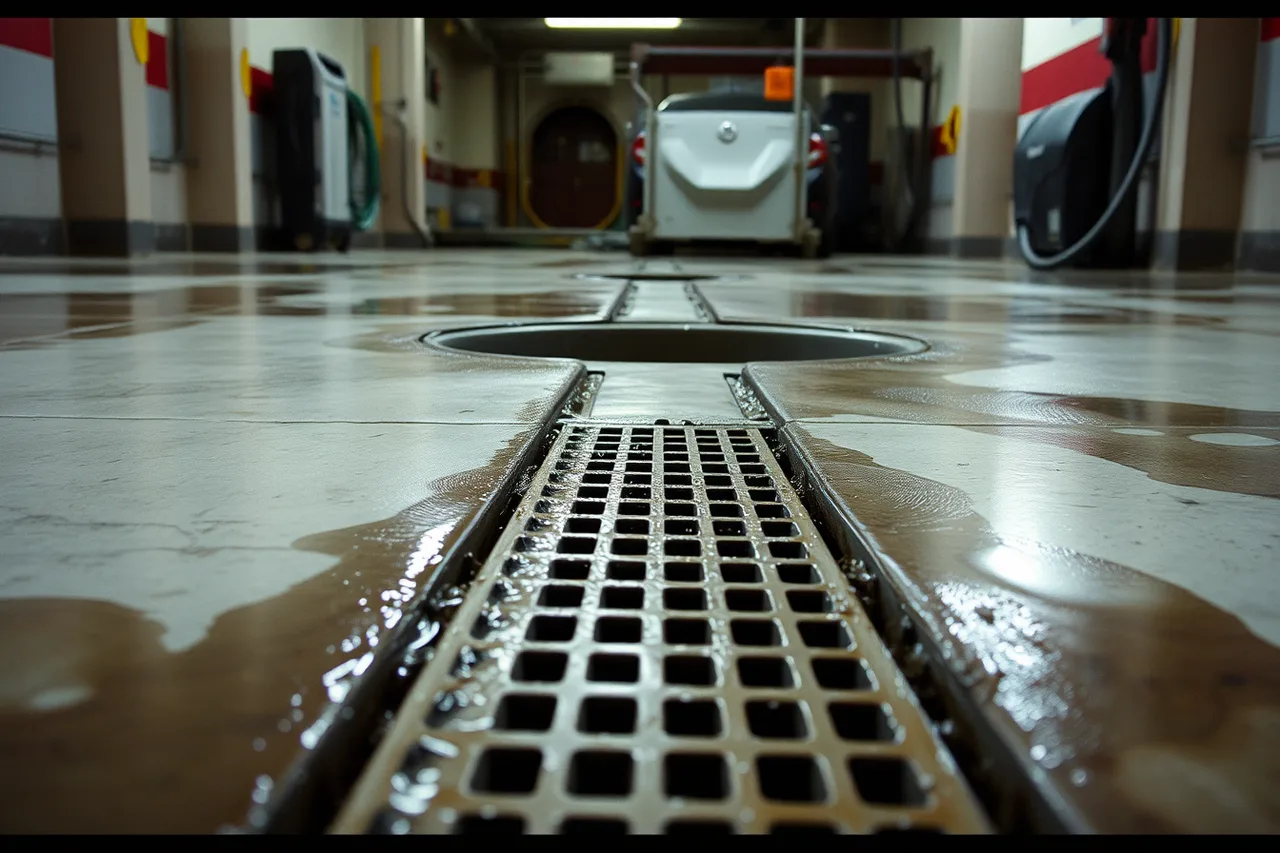
Walk the site with a plan in hand. Mark every trench, pit, drain, and interceptor. Also mark every reclaim line, overflow, roof drain, and parking inlet. Finally, mark every discharge point. Then write down where each one goes.
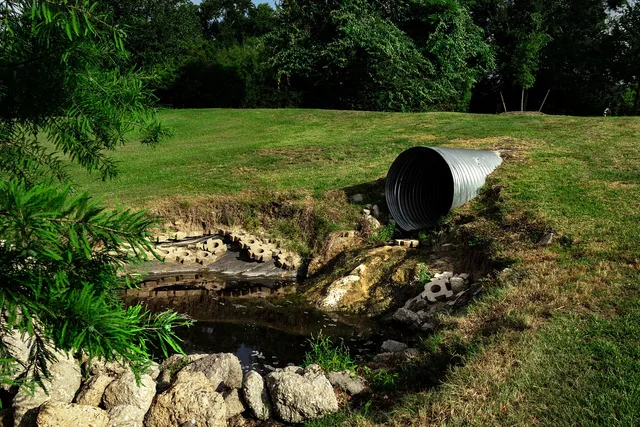
The common failure is a floor drain and a parking inlet that look alike and lead to different places. One may reach the sanitary sewer under a pretreatment agreement. The other may reach a ditch that runs to a creek.
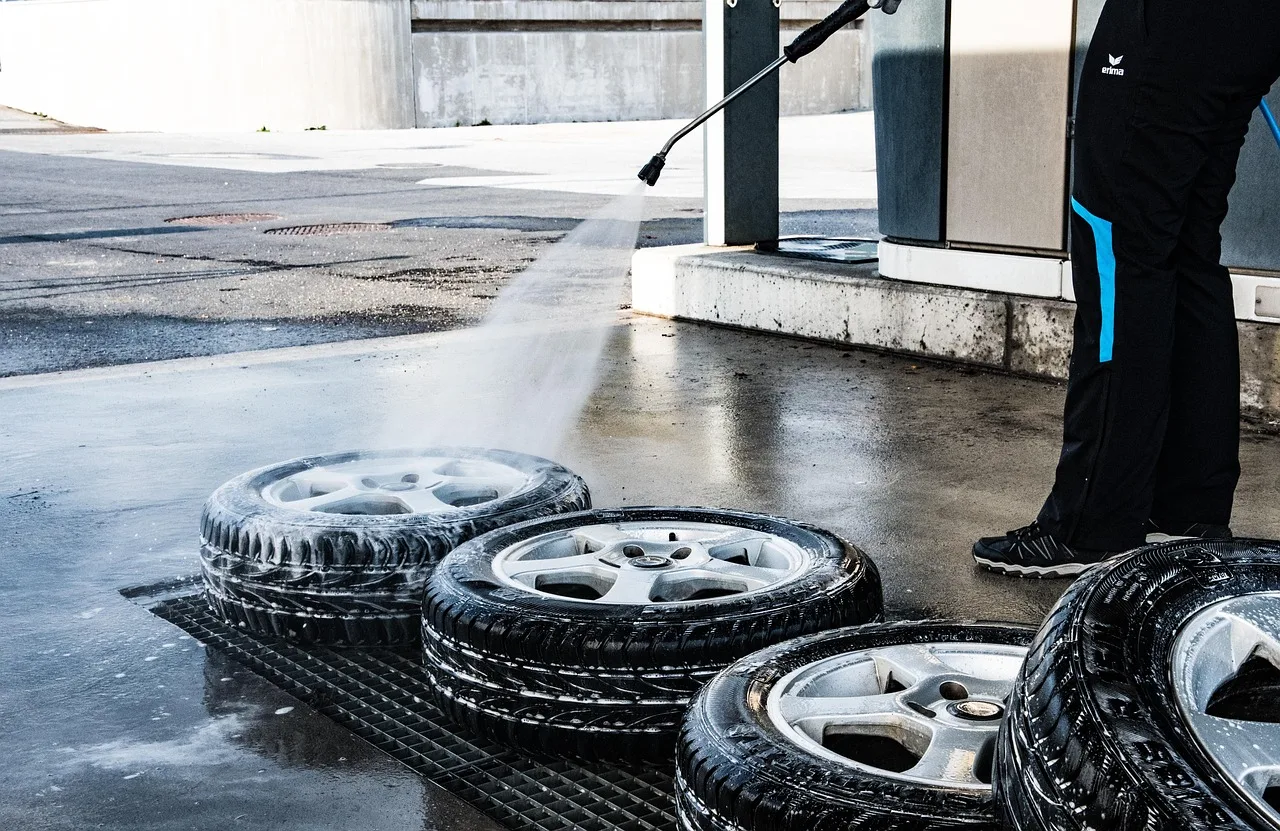
EPA's stormwater best management practice for vehicle maintenance and washing describes what wash water carries: detergents, sediment, oil, grease and metals. It also states the point plainly, that contaminated wash water should be kept out of storm drains and surface waters.
Pretreatment applies to small washes too
Owners often assume pretreatment is a factory problem. EPA's pretreatment roles and responsibilities for industrial users says an industrial user can be as simple as an automated coin-operated car wash.
Your publicly owned treatment works, or the program it authorizes, sets the local limits. A typical local limit for oil and grease is 100 mg/L, with pH often held between 5.5 and 9.5. Numbers vary by POTW; your permit states the exact values.
Limits can also cover separator sizing, sampling, sludge handling, recordkeeping, reuse, and overflow. The same rules usually require maintenance records for the interceptor, not just its installation.
Reclaimed water is where language gets loose. "Reclaimed" describes a treatment level and a permitted use, not a water quality. Ask what the treatment is, what the water may touch, and what happens when the reclaim loop is bypassed.
Chemicals need documents, not memory
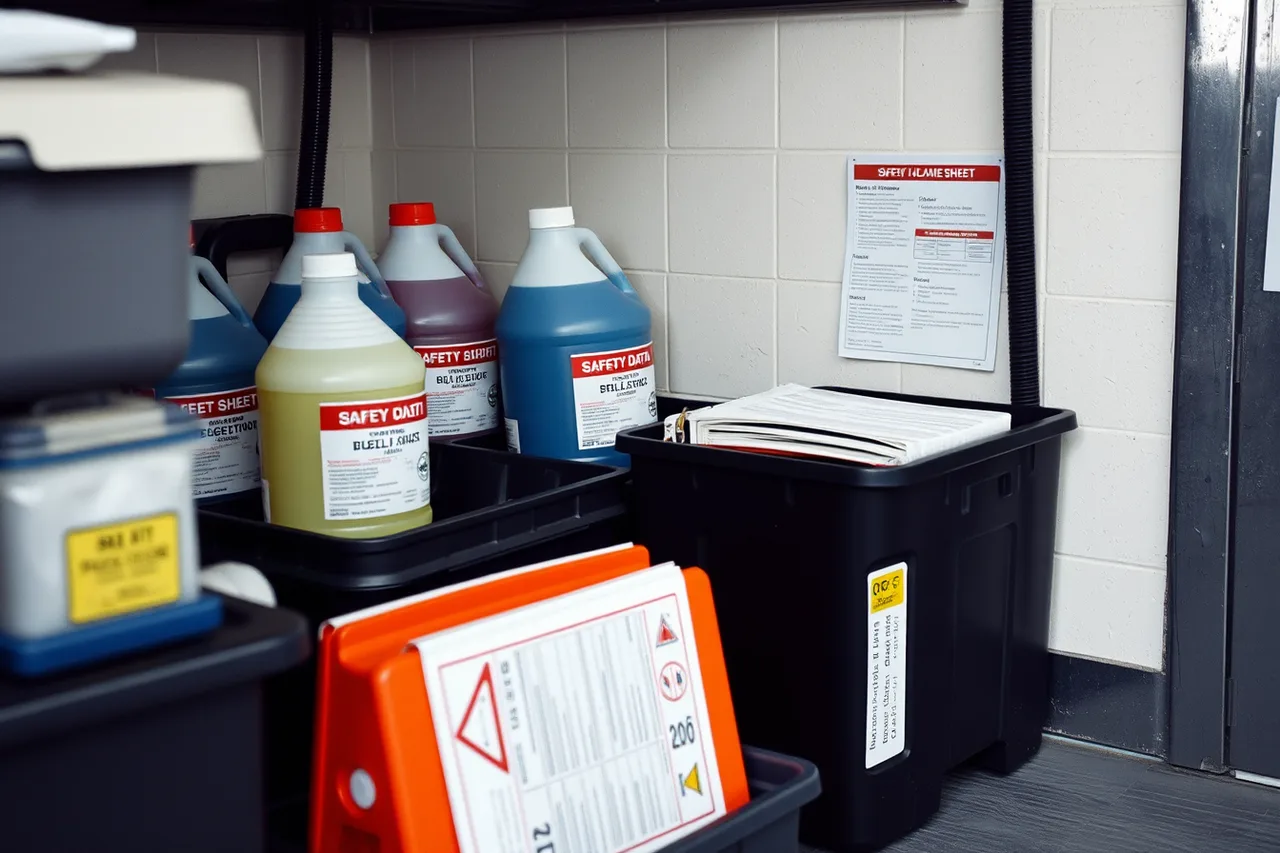
OSHA's hazard communication standard requires covered employers to keep a written program, label containers, maintain safety data sheets and train employees who work with hazardous chemicals.
In a wash bay, that means product identity stays on the container. Dilution ratios, incompatibilities, secondary containment, spill response and personal protective equipment live in the written program, not in a veteran employee's memory.
Color and scent are the two worst identifiers. Two blue liquids can behave very differently in a reclaim tank, and a swapped jug is a chemical exposure and a discharge event at once.
Lockout/tagout is an evidence question
Conveyors, arches, pumps, doors, compressors and reclaim equipment hold energy in more forms than electricity. Pneumatic, hydraulic, pressure, gravity and stored energy in a raised component all count.
OSHA's control of hazardous energy standard requires covered employers to establish and use energy-control procedures. The purpose is to prevent unexpected energization, startup or release of stored energy during servicing and maintenance.
The sceptical test is not whether your team knows to lock a disconnect. It is whether you can produce the written procedure, the equipment-specific steps, the training records and the periodic inspection for each machine. A normal stop button is not an isolation device.
The equipment side of this, by machine type, is covered in the equipment and setup guide.
Customer terms and the record trail
Write the service description, vehicle limits, damage reporting, and existing-condition process clearly. Also write membership price, renewal, cancellation, and refunds clearly. Then write weather closures, rewash policy, promotions, and privacy terms clearly. Use sentences a customer can read once. A waiver does not repair an unclear promise.
Records are what an authority, an insurer or a plaintiff's attorney asks for. Keep permits and plans, discharge and sampling results, interceptor maintenance, and chemical documents.
Keep training, inspections, and membership agreements.
Keep complaints, damage claims, spills, and injuries.
Keep insurer notices and the corrective action that followed each one.
The rule that matters is timing. Records assembled after a request read as reconstruction, and reconstruction reads as concealment.
A month of implementation
- Week 1. Walk the site and document the current process: who owns each decision, where the data lives, which compliance questions are still open, and which failure point is most visible to a customer.
- Week 2. Pick one measurable change, such as a labeled chemical station or a drain map posted in the bay. Test it with one shift or one service group and collect comments from the people doing the work.
- Week 3. Correct the workflow, update the short written standard, train the affected roles, and confirm the records and permissions support it.
- Week 4. Compare the result against the week-one measure, list the unresolved risks, set the next review date, and decide whether to expand, revise or stop.
Review every material change
Trigger: a material change to the operation. Owner: the site owner or a named compliance lead.
Reopen the permit file when any of these change: chemistry, equipment, reclaim use, discharge, bay count, conveyor speed, vehicle type, detailing services, membership software, signage, hours, or worker roles.
The original permit describes the operation you applied with, not the one you built two years later.
The licensing paperwork that sits alongside these permits is covered in what licenses a car wash needs, and the cost side of carrying the coverage is broken out in car wash insurance costs and coverage.
Document control is the last piece. Put an effective date on the working standard, mark the approved version, and keep superseded copies out of the bay. Staff should know where the current process lives and how to report a conflict between the written rule and the real work.
Common questions
Who should own this work?
The owner sponsors the decisions, but daily ownership belongs to whoever controls the relevant workflow and its data. Regulated or technical calls stay with qualified leadership, and each area can have a separate owner who meets on a set schedule.
How often should the business review it?
Monthly while the process is new, then on a stable schedule once the data and responsibilities hold. Reopen the review whenever services, staffing, equipment, vendors, ownership or local rules change.
Which numbers matter most?
Use the smallest set that can change an action. Track these numbers:
- cycle time
- water per car
- labor percentage
- complaints
- rewash rate
- follow-up completion
Write the formula and the data source before you compare two periods.
What should a new owner avoid?
Do not copy another wash's price, menu, software stack or staffing ratio without knowing its customer mix and constraints. Do not treat a neighboring site's approval as your own, and do not let a general article stand in for jurisdiction-specific technical, employment, tax or legal advice.