Guides
Arizona Car Wash Water Permits and Phoenix Bay Water Use
Arizona car wash discharge permit paths, Phoenix reclaim sizing in desert heat, gallons per vehicle, and recycling costs per bay with a worked two bay example.
What to take away
- Arizona sorts wash water by where it goesan Aquifer Protection Permit (APP) for discharge to ground, an AZPDES permit for surface water, and a city industrial wastewater permit for the sewer.
- A reclaim system sized for a small tunnel typically costs $40,000 to $150,000 installed, with filters and service on top.
- Phoenix-area water and sewer commonly total $4 to $9 per 1,000 gallons combined. Check current rates before modeling payback.
- Typical fresh-water use is 30 to 60 gallons per vehicle at an in-bay automatic and 40 to 80 at a conveyor tunnel; reclaim can cut fresh makeup to 10 to 25.
- Permit monitoring, reporting and renewal are recurring per-bay costs, not a one-time filing fee.
Which Arizona permits apply to a car wash
One question decides the permit path: where does the water go after it leaves the pad?
State programs differ in detail, and the car wash licensing and compliance guide sets out what to compare before you sign a lease.
Which Arizona permits apply
| Discharge route | Permit to expect | Who issues it |
|---|---|---|
| Sanitary sewer | Industrial wastewater discharge permit | City wastewater utility |
| Ground, dry well or infiltration | Aquifer Protection Permit (APP) | Arizona DEQ |
| Surface water, ditch or dry wash | AZPDES permit | Arizona DEQ |
ADEQ writes the APP rules in the Arizona Administrative Code, Title 18, Chapter 9. AZPDES is the state's version of the federal Clean Water Act discharge permit. The EPA regulatory information topic index lists the federal rules behind both.
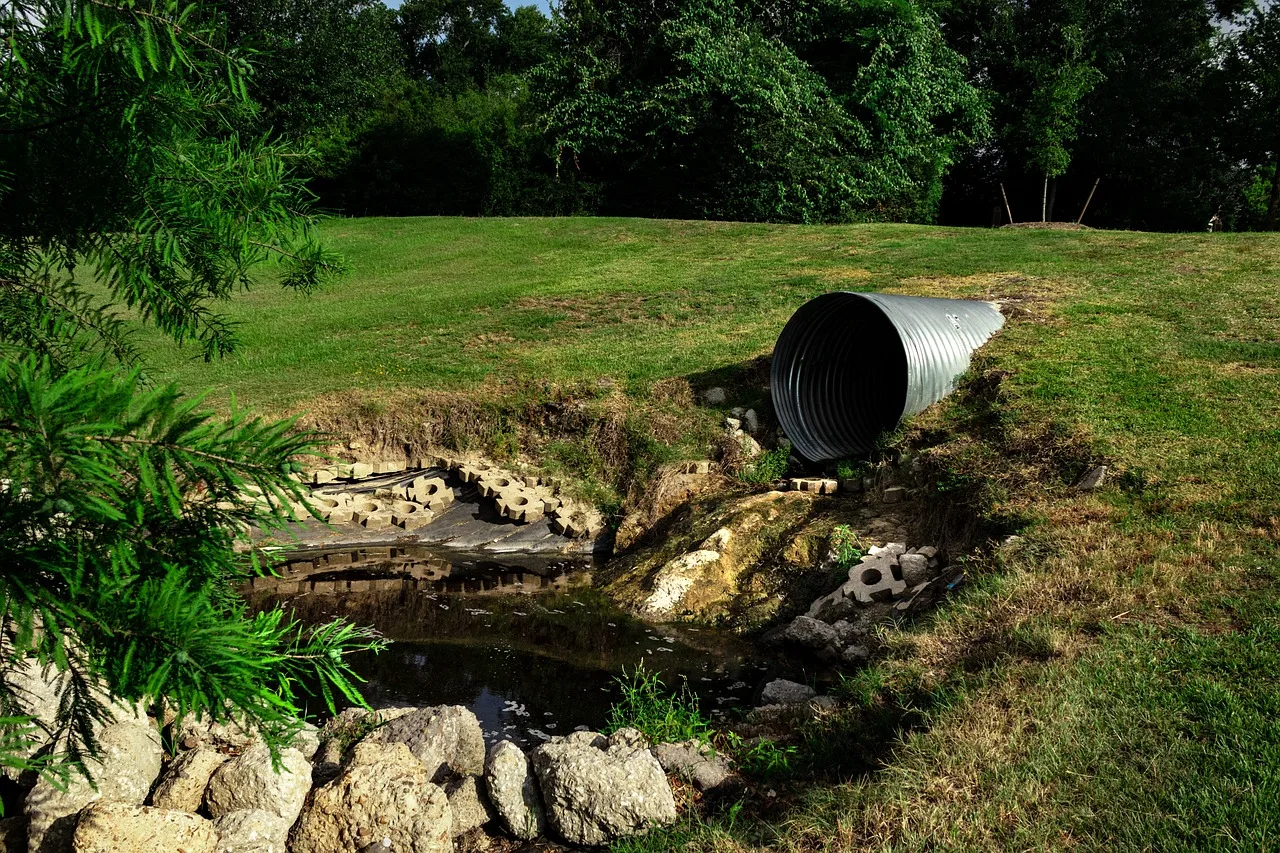
Phoenix storm drains lead to retention basins and dry washes, not a treatment plant, so a drain is no shortcut around a permit. Confirm zoning and the discharge route first, then file, then operate to the permit and keep records current.
Phoenix gallons per vehicle and bay throughput
Throughput starts as a water question: fewer gallons per car means more cars from the same supply.
Fresh-water use typically runs 8 to 15 gallons per vehicle at a self-serve wand bay, 30 to 60 at an in-bay automatic, and 40 to 80 at a conveyor tunnel. Reclaim usually cuts fresh makeup to 10 to 25. Treat those as ranges, not quotes.
If you want the arithmetic that turns gallons per vehicle into cars per hour, the bay throughput calculation walk-through is the place to start.
The EPA WaterSense program publishes water-efficiency benchmarks for commercial washing, the closest thing to a national reference point.
Phoenix dust pushes soil loads toward the high end of those ranges, and July heat sets the labor rules; the OSHA heat guidance covers what an outdoor bay crew needs.
Reclaim sizing in desert heat
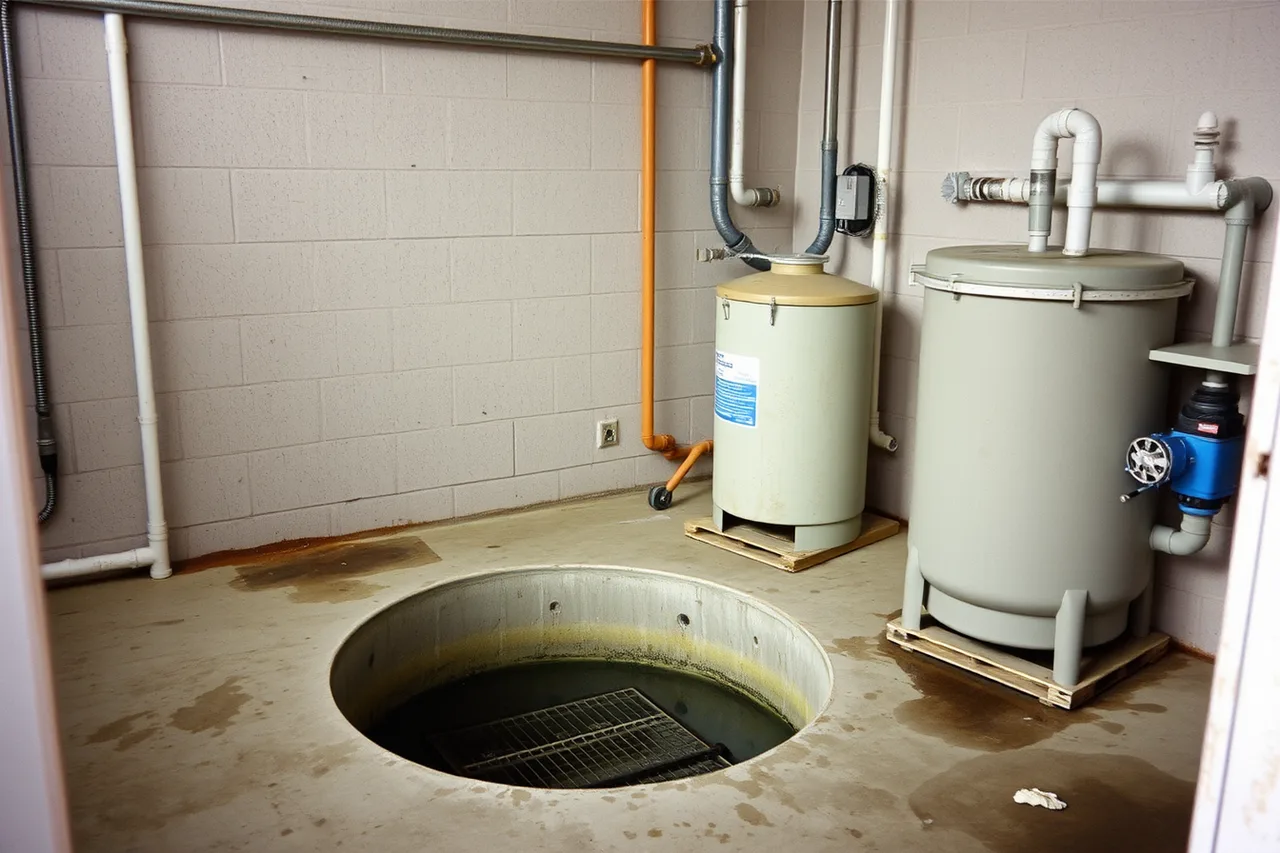
Reclaim units are rated in gallons per minute at peak demand, not at the daily average. Size to the peak demand of the bays served, and add margin for the dustiest weeks of the year.
A typical train runs a collection pit, solids removal, filtration and a storage tank, with ozone sometimes added to control odor and biological growth.
Cover the tank. Phoenix sun and heat grow algae and biofilm in open water, and odor complaints follow.
Reused water carries dissolved solids, so plan a bleed or blowdown rate. Without one, those solids build until the final rinse leaves spots.
Rain-driven and drought-driven permit regimes push a bay toward the same place: water that stays on site. The Seattle stormwater and reclamation review is a useful contrast with Arizona's dry-climate rules.
Cost per bay with recycling in the mix
Water and sewer in metro Phoenix commonly total $4 to $9 per 1,000 gallons combined, with sewer often the larger share. Confirm the commercial rate card with the city, since tiers differ by utility.
Installed reclaim for a small tunnel or automatic typically runs $40,000 to $150,000. Filters and service calls are annual operating cost on top, and permit reporting adds staff hours every year.
Checklist for the per-bay model.
- Fresh water rate per 1,000 gallons
- Sewer rate, or the share of metered water billed as sewer
- Gallons per vehicle, measured
- Reclaim capital and installation cost
- Annual filter and service cost
- Permit and reporting cost
- Reclaimed-water bleed rate
Example: a two-bay automatic in Phoenix
The figures below are illustrative, using the ranges above.
Two bays at 100 cars each per day is 200 cars. At 30 gallons per vehicle and no reclaim, that is 6,000 gallons of fresh water daily. At $6 per 1,000 gallons for water and sewer, the bill runs near $36 a day, about $13,000 a year.
Reclaim at 70 percent recovery drops fresh makeup to about 1,800 gallons a day, near $11 a day. That saves close to $9,000 a year, so a $60,000 install pays back on water alone in roughly seven years.
Rates and rules differ by city, and the Los Angeles permits and bay economics article shows which cost lines carry over to Phoenix and which do not.