Guides
When is extra scrutiny worth it for wash equipment?
The practical question behind 'new vs used car wash equipment' is how the decision will work during an ordinary operating day. The point is not to copy a national.
What to take away
- Count five triggersdischarge path, single point of failure, hazardous energy or chemicals, long parts lead time, and paperwork that cannot name the model. Two or more, and a full inspection earns its cost.
- A pre-purchase inspection of a used in-bay automatic or conveyor typically costs a few hundred dollars. A full mechanical and electrical survey with a run test reaches the low four figures.
- When the new-versus-used price gap is smaller than the electrical, plumbing and concrete work to swap the unit in, the cheap unit is not cheap.
- No make, model and serial number from the seller means no deal, whatever the price.
The five triggers that justify a full inspection
Most wash purchases need a price check and a parts check. Brushes, hoses and signage can move on price alone. The extra hours go to decisions that can stop the wash, break a discharge permit, or leave you with an asset nobody can service.
Count them.
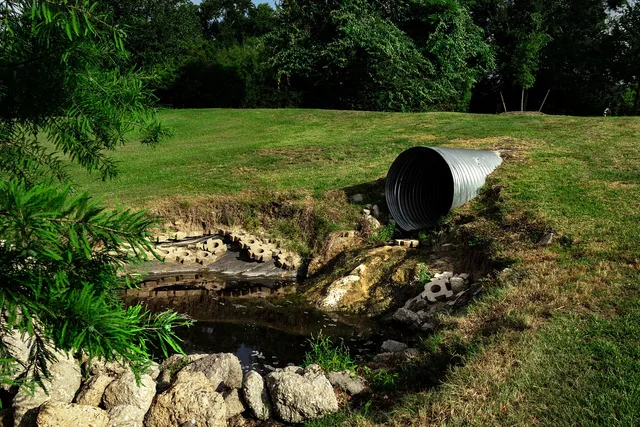
- The asset sits on the discharge pathreclaim, separation, filters, floor drains, or anything the permit names.
- A single failure stops the whole washconveyor chain, main pump, entry controller, or payment system.
- Hazardous energy or chemicals applythree-phase power, hydraulics, or a chemical needing a safety data sheet.
- Parts lead time runs longer than the downtime you can absorb in your busiest week.
- The paperwork cannot name the model, the build year, or the last repair.
Two or more, and the inspection, the lead-time check and the paperwork review earn their cost. One or none, and price can lead.
The car wash equipment setup guide runs the same five triggers through a first purchase, where most buyers meet them.
A sixth test sits on the money side. When the gap between a new price and a used price is smaller than the install, electrical and water work, the cheap unit is not cheap.
Scrutiny levels and what each one costs
| Level of scrutiny | What it covers | Typical cost | It earns the money when |
|---|---|---|---|
| Price check | Quotes from two or three sellers | Staff time | The item sits off the discharge path and ships from stock |
| Parts and lead-time check | Top five failure parts, distributor and manufacturer prices | A few hours of labor | A spare already covers the likely failure |
| Pre-purchase inspection | Mechanical and electrical walkover, no run test | A few hundred dollars in most U.S. markets | The unit is a used in-bay automatic or conveyor |
| Full survey with a run test | Run test, controller check, discharge and permit review | Low four figures | The asset can stop the whole line |
Costs above are typical U.S. ranges, shown to size the decision. Confirm them with local inspectors and contractors.
Book the inspection before you sign. Ask the inspector to name the parts most likely to fail within a year, then price those parts at a distributor and at the manufacturer.
Example: new versus used on an in-bay automatic
New unit
- Equipment package
- $70,000 to $160,000
- Electrical, plumbing and concrete
- Quoted with the package
- First-year repairs, unknown history
- Covered by warranty
- Parts likely to fail first
- Main pump, entry controller
Used unit, 8 to 15 years old
- Equipment package
- $20,000 to $60,000 as removed
- Electrical, plumbing and concrete
- $15,000 to $45,000
- First-year repairs, unknown history
- $5,000 to $20,000
- Parts likely to fail first
- Main pump, conveyor chain, entry controller
These are typical U.S. ranges, not quotes.
A used unit can land near $40,000 to $125,000 all in. A new install can land near $120,000 to $250,000. The saving is real, and so is a dead bay on a Saturday.
Take the used path when your technician or a local service firm can repair it, and feed the numbers into the margin math behind a car wash business before you commit.
Screening lifecycle cost by asset
Weigh safety and compliance first, because a permit breach outranks a parts bill. Water and energy use follow, then chemical use, labor, quality and repair history.
Write the asset list at model level. Put make, serial number and controller version beside each unit, with the year installed and the last three failures. Never keep a unit because its book value still looks low.
Designing the water system as one asset
Connect incoming water, softening, reverse osmosis where used, storage and pumps. Reclaim and discharge treatment join the same plan, with meters, sampling and freeze protection added last.
Spell out what changes for attendants, detailers, maintenance technicians, shift leads and the owner. Watch for a fix on one component that another then limits.
Stocking spares by model number
Set on-site stock from failure history, lead time, model compatibility and shelf life. A part with a long lead time and a known failure history belongs on your shelf. For vendor stock, weigh warranty, supplier access and technician skill.
Kleen-Rite Corp and Dultmeier Sales of Omaha, Nebraska sell wash parts from catalog stock. Sonny's Enterprises in Tamarac, Florida, Belanger, Ryko, Washworld and Coleman Hanna supply model-specific assemblies.
A workable car wash equipment checklist starts with that model-level asset list, not with a parts shelf.
Critical Spare Parts Criteria
- Failure history
- Lead time
- Model compatibility
- Downtime impact
- Shelf life
- Warranty and supplier access
- Technician capability
Stocking parts without a model-level equipment list is the most common mistake. Start with a limited pilot, write the expected result and the earliest warning sign, then compare waiting on parts against aged spares.
Rules that turn a check into a review
The Occupational Safety and Health Administration: Control of Hazardous Energy (Lockout/Tagout) standard requires covered employers to set up energy-control procedures, so service work cannot meet unexpected energization, startup or stored energy. Conveyor drives, pumps and controllers fall inside it.
Hazard communication adds a written program, labels, safety data sheets and employee training, under the Occupational Safety and Health Administration: Hazard Communication Standard.
For water, U.S. Environmental Protection Agency: WaterSense at Work: Vehicle Washes describes conveyor, in-bay automatic and self-service systems, with water-use measurement and reclamation by wash stage.
Write the exceptions into the car wash plan so the next buyer inherits the records rather than a set of machines.
Common questions
When is extra scrutiny worth it on a used wash asset?
Count the five triggers. Two or more, and the inspection, lead-time check and paperwork review earn their cost.
How much does a pre-purchase inspection cost?
A few hundred dollars in most U.S. markets for a used in-bay automatic or conveyor. A full mechanical and electrical survey with a run test reaches the low four figures.
When can a price check stand alone?
When the asset sits off the discharge path, a spare already covers the likely failure, and parts ship from distributor stock. Brushes, hoses and signage usually fit that pattern.
What kills a used deal outright?
A seller who cannot name the make, model, serial number or controller version. Without that, spare parts and service support become guesswork.