Guides
What paperwork a car wash business needs to operate for a small operation
A small car wash needs a business license, zoning approval, a building permit, a fire inspection and a discharge permit before the first car rolls.
What to take away
What paperwork a car wash business needs to operate for a small operation comes down to named documents, not a general to-do list.
- A general business license, an IRS Employer Identification Number and a state sales tax registration come first, because every later permit asks for the entity name and tax number.
- Zoning approval is the gate that closes sitesa car wash is a conditional use in many commercial districts.
- A building permit covers the tunnel, bay slab, trench drains and electrical service, and it is inspected before the water permit is issued.
- A discharge or pretreatment permit from the sewer authority is separate from the water supply account, and it is the one that stalls openings.
- Every permit has a renewal date, and one named person holds the calendar.
This article gives general business information, not legal, environmental or tax advice. Requirements vary by state, county and city, so confirm each item with the authority that issues it and with a qualified attorney or CPA before you sign a lease.
The paperwork list, by name
A small car wash needs more than one document, and the order matters because each one feeds the next. Here is the working list.
| Document | Issued by | What it covers |
|---|---|---|
| Business license | City or county clerk | The right to operate a business at the address |
| Entity registration | State secretary of state | LLC or corporation standing |
| Employer Identification Number (EIN) | IRS | Free federal tax ID for the entity, payroll and bank accounts |
| Sales tax permit | State department of revenue | Collecting tax on retail wash sales |
| State withholding account | State department of revenue | Payroll tax withholding if you hire employees |
| Zoning or conditional use permit | City planning department | Land use approval for a car wash |
| Site plan review | Planning or public works | Traffic, stacking, drainage and access |
| Building permit | City or county building department | Tunnel, bays, slab, trench drains, electrical |
| Fire inspection | Fire marshal | Occupancy and equipment clearance |
| Certificate of occupancy | City or county building department | Confirms the building may be used as a car wash |
| Water supply account | Municipal water utility | Meter, backflow prevention, connection |
| Backflow prevention test report | Certified tester, filed with water utility | Annual proof the backflow assembly works |
| Discharge or pretreatment permit | Sewer authority or publicly owned treatment works | What may enter the sanitary sewer |
| Stormwater permit or SWPPP | State environmental agency or EPA | Runoff during construction and operation |
| Hazard communication program | Employer, under OSHA | Chemical labels, safety data sheets, training |
| Hazardous waste EPA ID number | EPA or state environmental agency | Required if separator sludge or solvents are hazardous waste |
| Sign permit | City planning or zoning | Exterior signage size and placement |
| Weights and measures registration | State agriculture or consumer affairs | Accuracy of any air, vacuum or water vending |
Fees vary by city and state. A business license typically runs $50 to $500 a year. A conditional use permit for a car wash often costs $500 to $5,000 and can take 60 to 180 days.
A building permit is usually priced on construction value, often $1,000 to $10,000 for a small tunnel or bay build-out. A discharge or pretreatment permit typically costs $200 to $2,000 a year, with sampling and separator service extra.
Confirm current fees with the issuing office, because published schedules change. The car wash equipment and setup guide for 2027 covers how the building permit and the water account connect to the physical layout, because the trench and drain plan is drawn before either is approved.
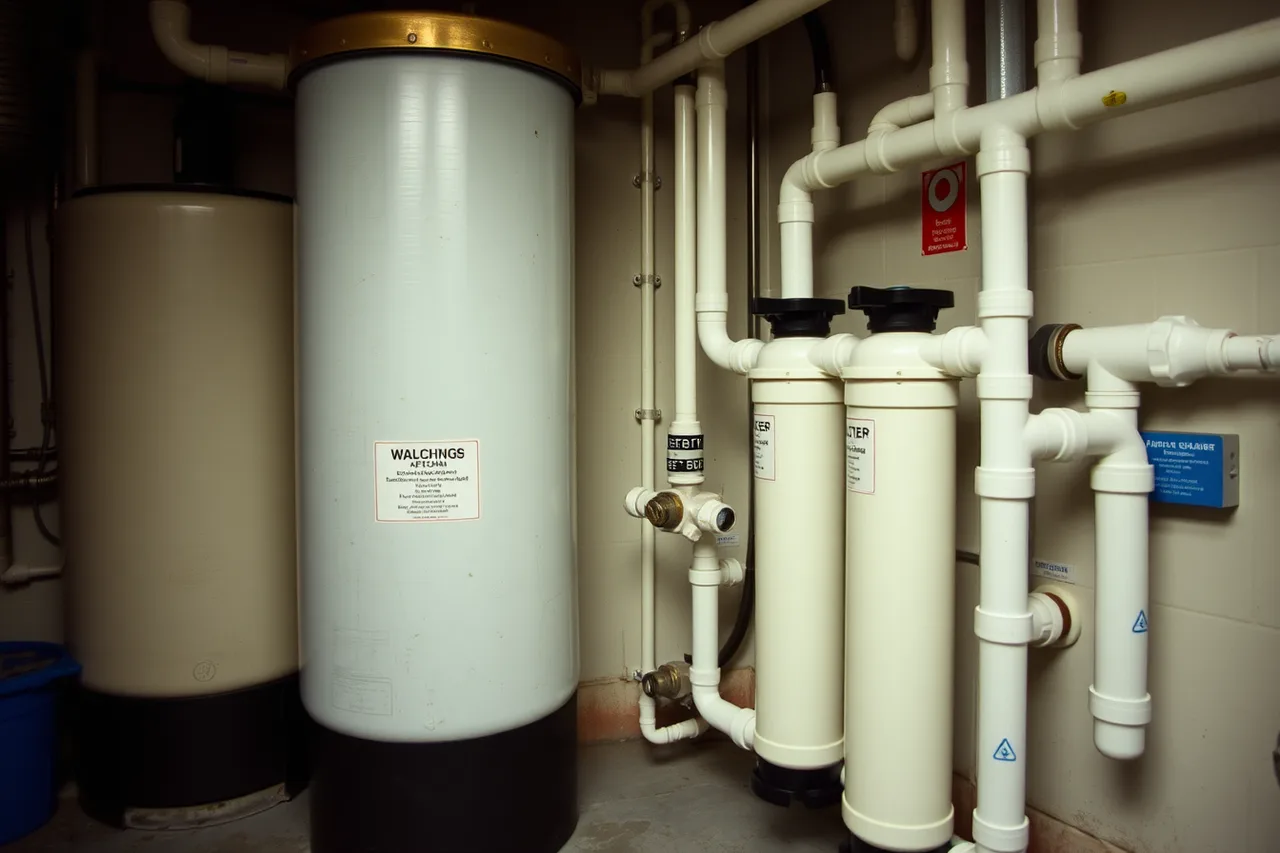
Zoning and conditional use approval
Most cities treat a car wash as a conditional use, not a permitted one. That means a public hearing, a traffic study and neighbors who can object.
Check the zoning code for the parcel before you sign anything. A site that allows retail can still prohibit a wash because of noise, water use or stacking on the street.
Stacking is the part planners ask about. If the queue backs onto a public road at peak, the conditional use can be denied on traffic grounds alone.
A conditional use permit is issued by the city planning department or board of adjustment. The application often requires a site plan, a traffic letter and a fee.
The discharge permit is the one that delays opening
Your water account and your sewer account are two different approvals. The water utility sells you supply; the sewer authority decides what you may send back.
An automated coin-operated wash can be classed as an industrial user. The publicly owned treatment works sets pretreatment limits based on what you discharge. The EPA explains those roles and responsibilities for industrial users at Pretreatment Roles and Responsibilities: Industrial Users.
Sampling, separator service, sludge hauling and recordkeeping are usually written into the permit as conditions. Read them before you buy equipment, because a reclaim system that does not match the permit is a rebuild.
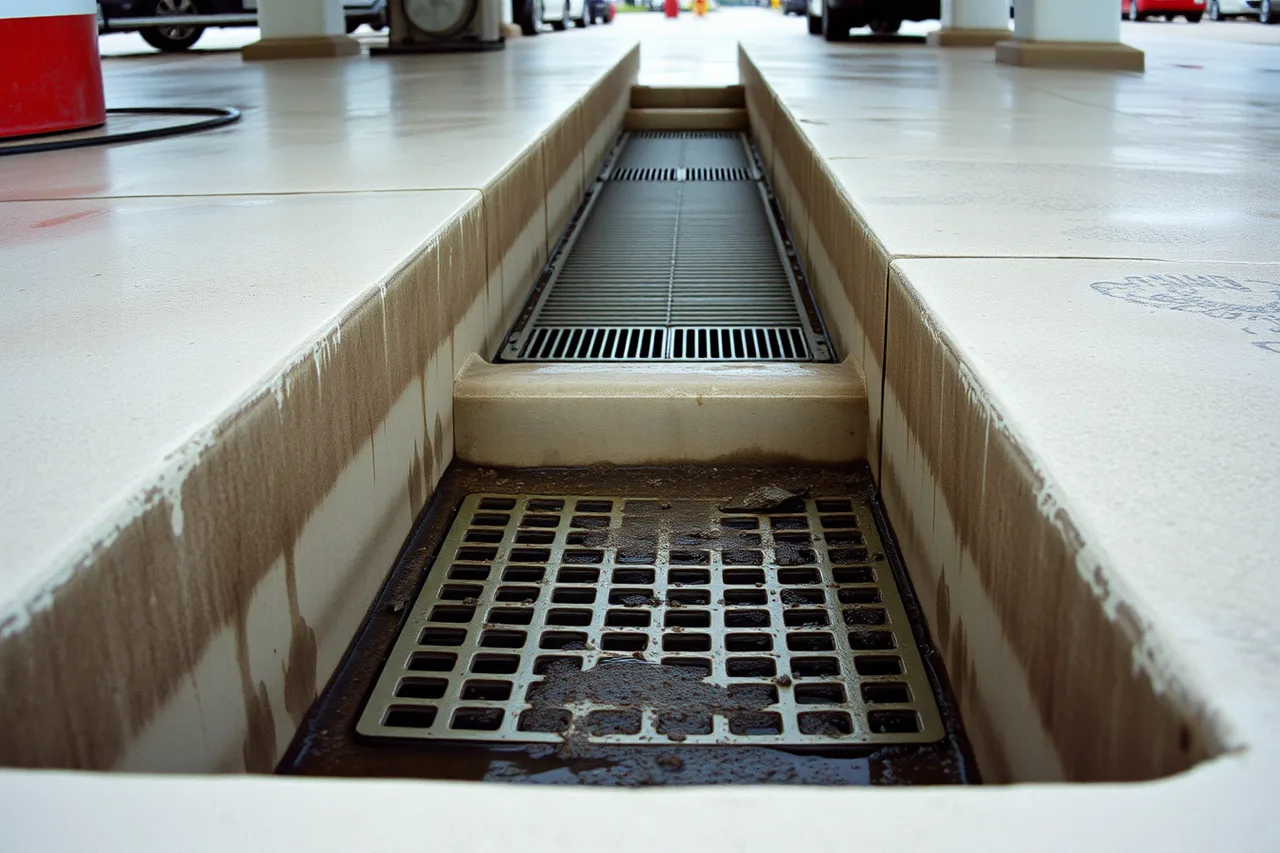
The EPA's guidance on vehicle maintenance and washing best management practices describes what wash water carries: detergents, sediment, oil, grease and metals. That is why the discharge path is mapped trench by trench.
Chemicals bring their own file
If your team handles presoak, tire cleaner or drying agents, OSHA's Hazard Communication Standard applies. It requires a written program, labeled containers, safety data sheets and training for each employee who works with them.
The standard is at Hazard Communication Standard 1910.1200. Keep the binder where the crew can reach it, because it is checked during inspections.
A small car wash may also need a hazardous waste EPA ID number if separator sludge fails a toxicity test. The sludge is often hauled by a licensed contractor, and the manifest is part of the paperwork file.
The authority map: who issues each document
Write one row per authority: name, what it approves, who at your company owns it, the date it was last confirmed, and the renewal date. A car wash in a strip center can sit under a city, a county and a special district at once.
Never treat a nearby wash as proof that your site is approved. Zoning, sewer capacity and fire access are parcel-specific, and a neighbor's permit says nothing about yours.
Insurance sits on top of the permit list, not beside it. Coverage limits often track what the discharge permit and the lease require, and the car wash insurance costs and coverage breakdown shows how those conditions price out.
Common questions
Do I need a permit to wash cars on my own property?
Yes, in nearly every jurisdiction. A business license, zoning approval and a discharge permit apply whether you own or lease the land, and the sewer authority governs what leaves the site.
How long does the paperwork take?
Zoning and discharge approvals drive the timeline, and both can run for months. A conditional use hearing often takes 60 to 120 days, and a pretreatment permit can add 30 to 90 days after that. Start with the planning department and the sewer authority before you commit to a lease.
What happens if I open before every permit is issued?
Operating without a required permit can bring fines, a stop-work order and a shutoff of water or sewer service. Bring each document to its issuing authority and confirm it is final, not pending.
Who should hold the renewal calendar?
One named person, not a shared inbox. Renewals, inspections and separator service each get a date and an owner, so nothing lapses during a busy season.