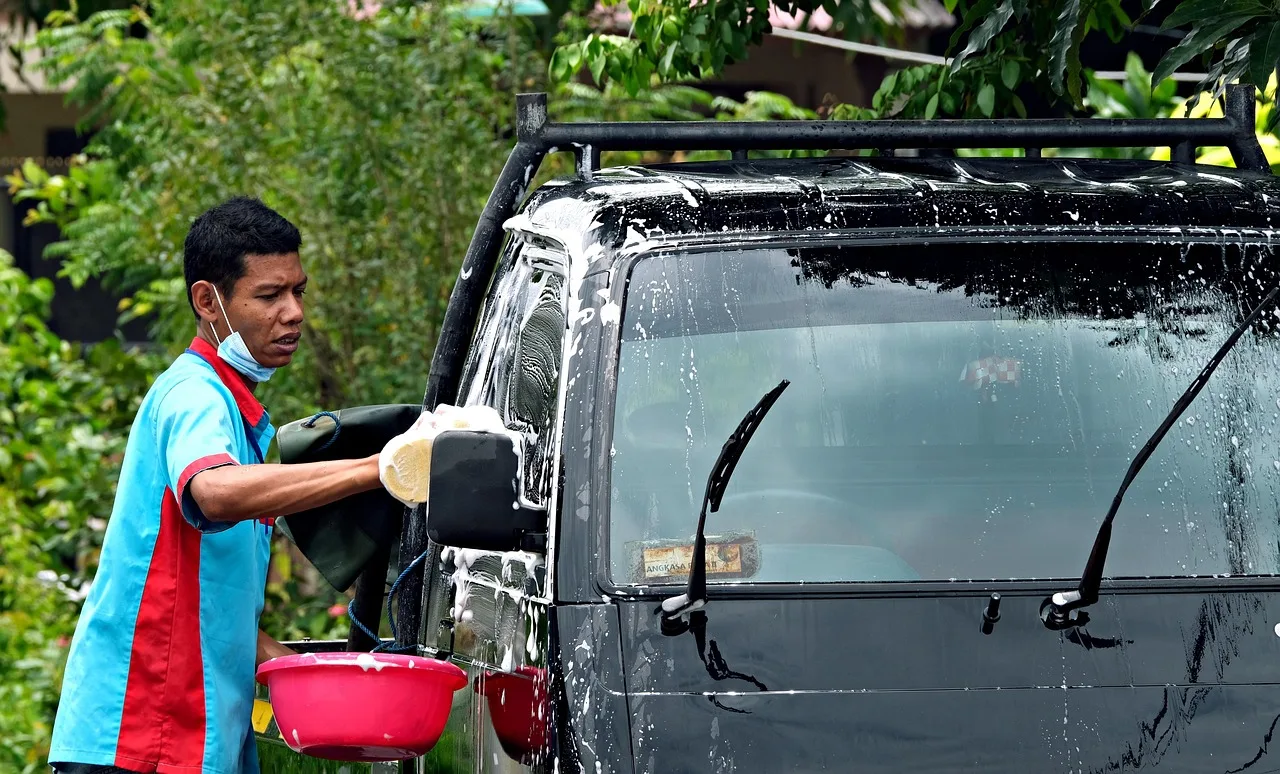
Guides
What car wash insurance covers, and what it leaves out
Car wash insurance splits into liability, property and business income cover, with pollution, wear and employee theft exclusions that catch most owners.
What to take away
Car wash insurance splits into coverages that pay third-party claims and coverages that pay your own losses.
- General liability pays a customer claim for injury or damage your wash caused; it does not pay to repair your own equipment.
- Commercial property responds to fire, wind, hail, vandalism and theft. It almost always excludes rust, corrosion and mechanical breakdown.
- Business income replaces lost profit during a shutdown, but only if the shutdown was a covered cause.
- Pollution liability is a separate policy. Wash water, reclamation sludge and chemical spills sit outside a standard package.
- Garagekeepers legal liability covers customer cars in your care. Employee theft needs a crime or employee dishonesty endorsement.
- Ask for the exclusions page in writing, not the coverage summary. The exclusions decide the claim.
The coverages a car wash buys, and the forms behind them
A car wash insurance package usually starts with three core coverages. Endorsements and separate policies fill the gaps that matter most at a wash.
Commercial general liability (CGL) answers a customer claim. A driver slips on the apron, a nozzle scratches a hood, or a bay door comes down on a car. The policy pays the third party's injury or property damage and funds your defense.
It does not repair your equipment or replace your lost revenue. Standard CGL forms, such as ISO CG 00 01, exclude pollution and damage to property in your care.
Commercial property answers damage to your own site. Fire, wind, hail, vandalism and theft are the usual named causes. The building, tunnel or in-bay units and pumps are scheduled as structures. POS terminals, signage, stock and tenant improvements are contents. Standard forms often use replacement cost or actual cash value.
Business income and extra expense answers the weeks after a covered loss. If a fire closes the tunnel for a month, it pays the profit you would have made and fixed costs that keep running. It pays extra costs to resume faster, such as temporary equipment or extra advertising. A waiting period and a restoration period cap the payout.
Garagekeepers legal liability covers customer vehicles left in your care, custody or control. It applies when a customer car is damaged by fire, theft, vandalism or your employees while on site. Without the endorsement, the standard property form excludes vehicles in your care.
Pollution liability covers wash water, sludge, chemicals and spills. It is written as its own policy because standard property and liability forms exclude pollutant discharge. Your sewer permit and discharge route set the exposure.
Employee dishonesty or crime covers theft by employees. Standard property policies exclude it, so the coverage comes as an endorsement or a separate crime policy.
Commercial auto, workers' compensation and umbrella round out many packages. Auto covers vehicles you own or hire. Workers' compensation covers employee injuries and is required in most states. Umbrella or excess liability adds limits above auto, general liability and employer's liability.
What the standard package leaves out
Exclusions decide car wash claims. Read the exclusions page before you compare premiums.
| Exclusion | Why it bites a wash |
|---|---|
| Wear, tear and mechanical breakdown | Rollers, brushes, blowers and pumps fail from use, not from a listed cause. Equipment breakdown coverage or a service contract fills part of the gap. |
| Rust and corrosion | Constant water and road salt reach every frame and panel. Budget for replacement. |
| Pollution and contamination | Wash water, sludge, oil and chemical spills are separate policies. Buy pollution liability. |
| Faulty workmanship | A bad install or repair is the installer's problem, not the insurer's. Check their insurance. |
| Care, custody and control | Customer cars left overnight need a garagekeepers endorsement. Add garagekeepers legal liability. |
| Ordinance or law | Rebuilding to current code can cost more than the policy limit. Add ordinance or law. |
| Employee theft and dishonesty | Standard property forms exclude theft by employees. Add a crime or employee dishonesty endorsement. |
| Flood and earthquake | Common property causes of loss forms exclude them. Buy separate flood or earthquake coverage. |
| Utility interruption | A crash that cuts power off site may not be a covered cause. Add utility services coverage. |
| Fines and permit delays | Civil fines and lost profit from a permit delay often sit outside business income. Check triggers. |
Two of these deserve a second look. Pollution liability is written as its own policy because standard property and liability forms exclude discharge of pollutants. Garagekeepers coverage is an endorsement you add when you take custody of customer vehicles.
Employee theft is another common gap. A standard property form excludes theft by employees, so ask for the crime or employee dishonesty endorsement by name.
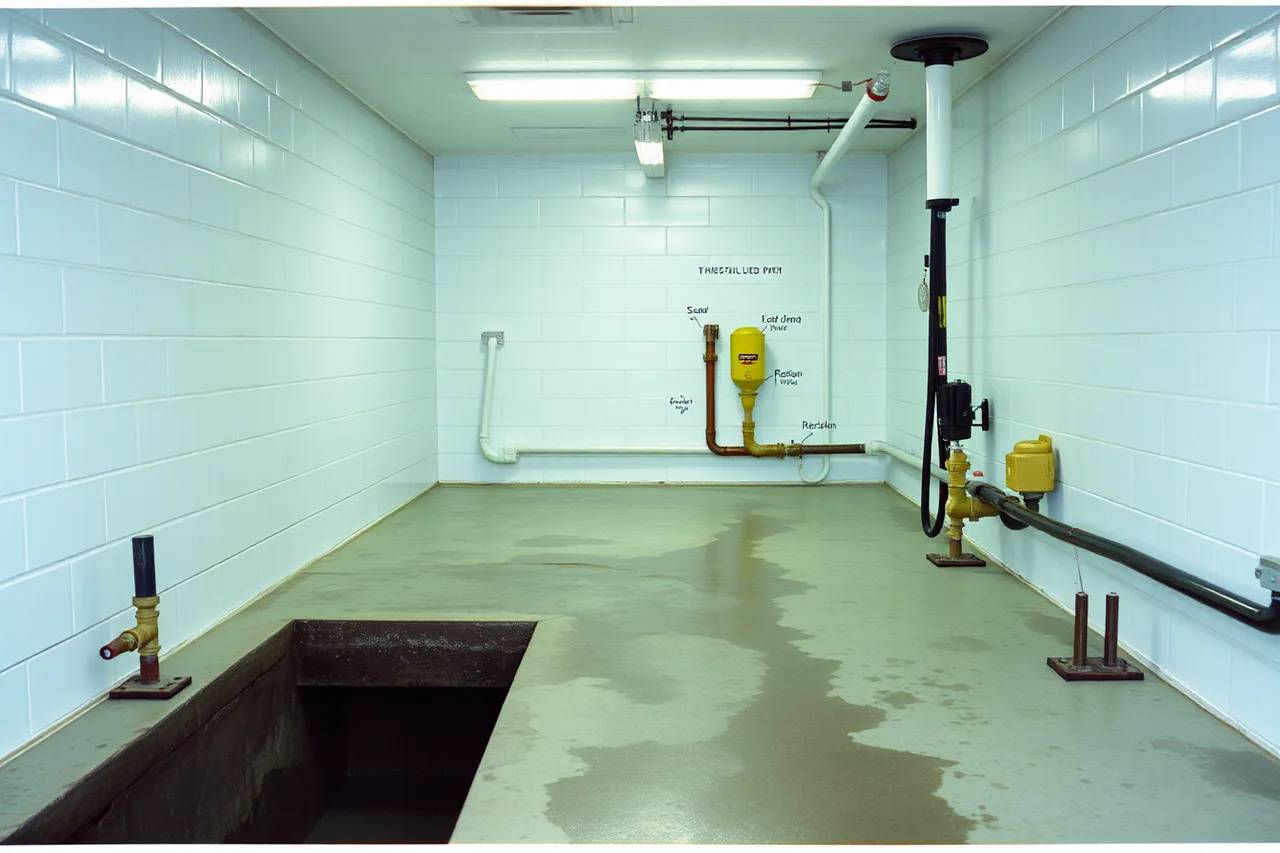
Where the wash water goes decides your pollution exposure
A wash that discharges to the sanitary sewer under a pretreatment permit carries one risk profile. A wash that lets runoff reach a storm inlet carries another. The second one produces enforcement letters.
The EPA's stormwater best management practice for vehicle washing states that wash water carries detergents, sediment, oil, grease and metals, and that contaminated water must be kept out of storm drains and surface waters.
The EPA's pretreatment roles and responsibilities for industrial users notes that an industrial user can be as simple as an automated coin-operated car wash, and that local programs set requirements from the discharge itself.
Your premium follows that map. An interceptor and reclaim system that keeps water on site is a lower pollution risk than a floor drain that empties to the curb. The licensing guide walks the same discharge points against the permits each one needs, and your equipment and setup choices determine which drains exist at all.
Records an adjuster asks for first
A claim is a paperwork contest. The operator who kept the file wins it faster.
- Permits, discharge records and inspection reports
- Maintenance log for every roller, pump, blower and interceptor
- Safety data sheets and chemical training records
- Incident reports for slips, damage claims and spills
- Corrected-action notes after each insurer or authority visit
The OSHA hazard communication standard requires covered employers to keep a written program, labels, safety data sheets and training. Those same documents are what an adjuster reads after a chemical exposure claim.
Common questions
Which coverages does a car wash insurance policy usually name?
A package usually names commercial general liability, commercial property, business income and extra expense, and sometimes garagekeepers legal liability. Pollution liability, commercial auto, workers' compensation, umbrella and crime coverage often sit in separate policies or endorsements.
Does general liability cover damage to my own tunnel?
No. General liability pays claims a third party brings against you. Damage to your own building, equipment and stock falls under commercial property, and wear or mechanical breakdown is excluded from both.
Do I need pollution liability if I discharge to the sanitary sewer?
Often yes. Standard property and liability forms exclude pollutant discharge, and a pretreatment permit does not remove the risk of a spill, a slug load or a backup. Ask a broker licensed in your state what your permit and your policy each cover.
Is business income cover automatic?
It is usually included in a package but capped by a waiting period and a restoration period. Check both numbers, and check that your largest shutdown risk, whether fire or a long permit delay, is a covered cause.
What should I ask a broker for?
Ask for the full policy form, the exclusions page and the endorsements in writing. Compare limits and deductibles line by line, and confirm with your state insurance department that the carrier is admitted to write in your state.