
Guides
Car Wash Pay Station Placement: Reduce Bottlenecks at the Entrance
Car wash pay station placement moves the kiosk after the vacuums to cut 10 to 12 seconds per car. It reduces entrance bottlenecks at US express washes.
What to take away
- Car wash pay station placement controls the entrance queue more than the wash bay itself.
- Put the kiosk after the vacuums when the lot allows it, so payment absorbs waiting time instead of creating it.
- Check the entrance stackno more than one car should wait at the kiosk during a normal wash cycle.
- If the entrance still backs up, watch one full cycle before calling a contractor.
- Stop and hand it to a professional when moving the kiosk means cutting concrete or changing power beyond a like-for-like swap.
What has to be true before the first step
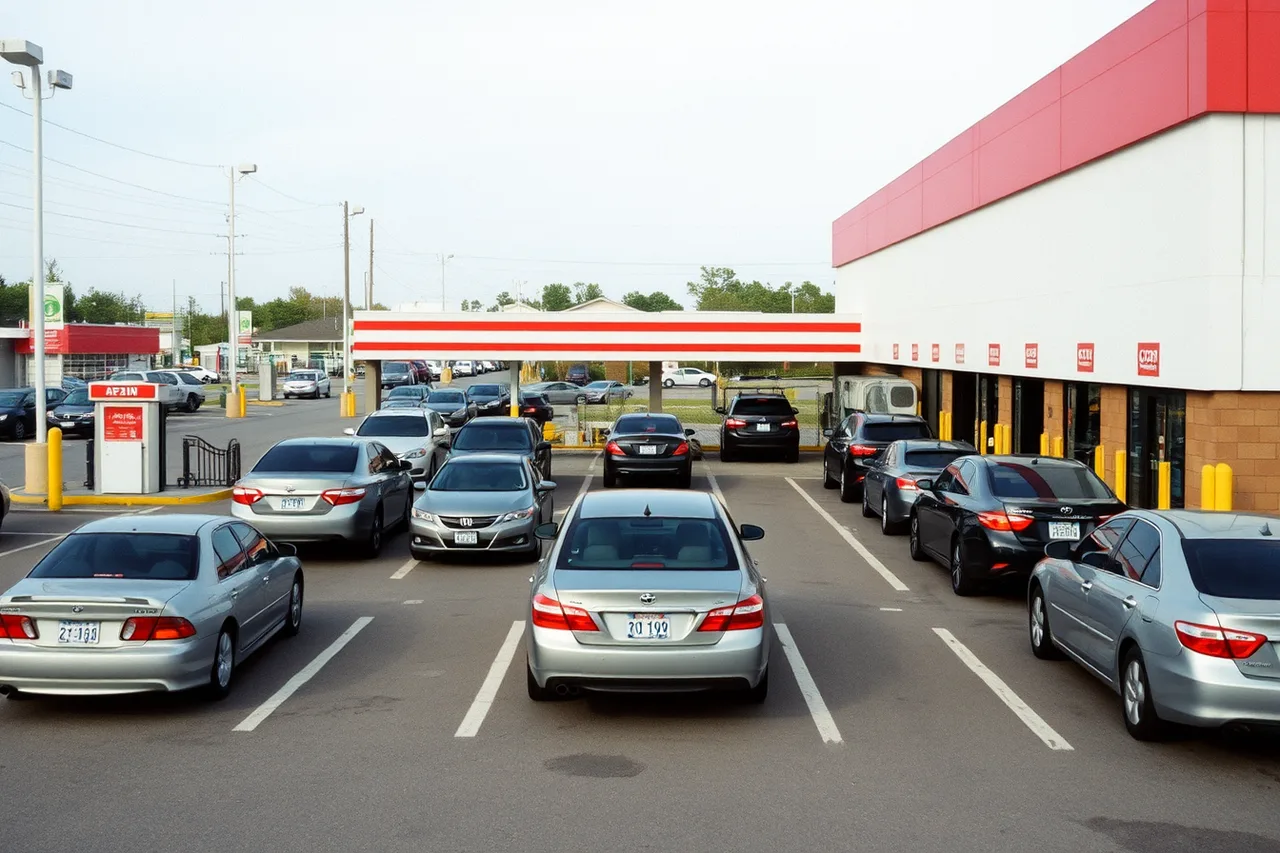
Before you move any pay station, walk the lot during a peak hour. Count cars waiting at three points: the entrance, the pay kiosk, and the vacuum lanes.
Is the kiosk the bottleneck?
Does the kiosk queue clear before the wash bay is ready?
Current placement may be fine
Kiosk placement is the bottleneck
If the kiosk queue clears before the wash bay is ready, the current placement may be fine. If the kiosk is the only place cars stop while the bay sits empty, placement is the bottleneck.
The lot needs a straight path from the pay station to the wash bay entrance. A kiosk after the vacuums works only if the driver can see the bay from the kiosk. If a fence or dumpster blocks that sight line, cars will creep forward and form a second queue.
Check the power and data stub at the new spot. The station needs a dedicated outdoor circuit, and the kiosk must stay outside the vehicle path.
NFPA 30A addresses vehicle queuing and site layout for fuel and wash lots.
A pay station is a single-server queue. Queueing theory shows that once arrivals outpace service, the line grows until something changes. That something is often the kiosk location.
Also confirm that the vacuum area has enough space for two cars to pass without blocking the pay lane. A common Texas failure is placing the kiosk in a strip only 10 feet wide. When a customer finishes vacuuming and another car wants to pay, both stop.
Before you move anything, set a baseline with Car Wash Bay Throughput Calculation.
The sequence
Moving the pay station
- Mark and photograph current kiosk location
- Measure new spot40 in from curb, 60 in from traffic
- Move kiosk to new stub on a dry day
- Test card transaction with gate closed and open
- Watch first five cars and record kiosk-to-bay time
- Mark the current kiosk location and photograph it from the entrance camera. This gives you a before reference.
- Measure the new kiosk spot from the nearest vacuum bay and the wash bay entry. The kiosk center should be at least 40 inches from any curb and 60 inches from moving traffic.
- Move the kiosk to the new stub on a dry day. Reuse the same mounting bolts and ground wire unless a licensed electrician sees corrosion.
- Test one card transaction with the gate closed and one with the gate open. The reader should accept the card in under 10 seconds.
- Watch the first five cars. Record the time from kiosk approval to wash bay entry.
The step that decides the result
The decision step is the kiosk-to-bay sight line. If a driver cannot see the wash bay entrance signal from the kiosk, the pay station moves the same delay to a new point.
Walk the kiosk-to-bay path. Confirm the signal light or gate arm is visible in the driver's left mirror. This line decides if post-vacuum placement works.
In two US lots, one in Austin, Texas and one near Atlanta, Georgia, the same move cut kiosk dwell by 10 to 12 seconds per car. The saving came from splitting the wait: vacuum time absorbs the payment delay.
The same rule applies whether you run an In-Bay Automatic vs Tunnel Car Wash; the kiosk must not hide the bay signal.
How to check each step came out right
Use a stopwatch at the same hour on two consecutive weekdays. Count cars from the moment they stop at the kiosk until the bay door opens.
A good result: a median kiosk-to-bay time of 12 seconds or less, and no car waiting at the kiosk while the bay is empty. If the median is above 15 seconds, the move did not fix the entrance.
- The kiosk screen is readable in direct sun without a hand shading it.
- The card reader is within 42 inches of the driver's window.
- No water from the vacuum area sprays the kiosk during a wash cycle.
- The entrance camera shows the kiosk and the bay gate in the same frame.
What to do when a step goes wrong
A slow card reader at the new stub is common. If the first card takes more than 20 seconds to approve, check the data cable before changing the reader.
Often the installer used a long unshielded cable to the new spot, so the reader retries. Re-terminate the cable, landing the ground shield at the kiosk only, which clears most approval delays. If the reader still stalls, cover the screen with a cardboard box and retest, because sun glare on the PIN pad can cause false touches.
If the recovery does not help, compare your measured time with How to Increase Car Wash Bay Throughput Without Adding Equipment before changing equipment.
When to stop and hand it to a professional
Call a licensed electrician or site contractor for new kiosk site changes. These include cutting pavement for conduit, moving a breaker beyond a like-for-like swap, or relocating a gas or water line. The same rule applies if the kiosk base is more than 3 feet from the existing stub.
That changes the electrical layout, not just placement, so OSHA's electrical standard treats it as a new installation. Stop there, and do not open the kiosk if you see scorch marks or loose conduit.