Guides
How IRS Section 179 and bonus depreciation cut car wash equipment costs
Car wash business operations can use Section 179 and bonus depreciation to cut equipment taxes. Here are the 2027 limits, Form 4562 lines and after-tax math.
What to take away
- The 2027 Section 179 limit is $1,160,000, and the benefit phases out dollar for dollar above $2,900,000 of qualifying property placed in service.
- Bonus depreciation is 40 percent for 2027 and covers most car wash equipment with a recovery period of 20 years or less.
- Form 4562 carries the electionPart I for Section 179, Part II for bonus and MACRS, Part VI for listed property.
- A $300,000 tunnel package at a 37 percent federal marginal rate lands near $189,000 after tax when the whole deduction is usable.
- When income cannot absorb the election, delaying the purchase into the next tax year usually beats a carryforward.
2027 deduction limits and the phase-out
The limit is the most you can deduct in one year. The threshold is the purchase level where that limit starts shrinking.
2027 deduction limits
- Section 179 deduction limit
- $1,160,000
- Phase-out threshold
- $2,900,000
- SUV cap (heavy passenger vehicles)
- $31,300
- Bonus depreciation rate
- 40 percent
Above $2,900,000 the limit falls by one dollar for every dollar of qualifying property placed in service. At $4,060,000 of purchases the cap reaches zero. Multi-site groups cross that line without noticing, so placements get split across two tax years.
Check the figures against the official inflation adjustment before you model anything. The Federal Register money topic carries the published adjustments.
State treatment runs separately. California does not conform to federal bonus depreciation. Texas applies its own depreciation rules under the franchise tax. Our car wash licensing and compliance guide covers the state filings that sit on top of federal tax.
What qualifies, and what does not
Qualifying property is tangible personal property used in a trade or business. Tunnel conveyors, arches, blowers, dryers, spot-free reverse osmosis units, pay stations, vacuum islands and reclaim systems generally qualify.
Real property does not. A concrete pad is real property. The pump bolted to it usually is not. Paving, curbing and lighting are 15-year land improvements, inside the 20-year window, so bonus can apply. A building is 39-year property and gets neither.
Business use has to exceed 50 percent, or listed property rules apply with a lower cap. Section 179 also cannot create a business loss, so the deduction is capped at taxable income from active trades or businesses. The rest carries forward.
Leased equipment fails the ownership test under a true lease. A $1 purchase option or a nominal renewal term usually makes the deal a financing, which qualifies. Our car wash equipment checklist lists every item a new bay needs, which makes this test easier to work through asset by asset.
How the two deductions stack
The order is fixed. Bonus applies to the adjusted basis left after the Section 179 election.
- Start with the asset cost, say $300,000 for a tunnel package.
- Elect the Section 179 amount for that asset.
- Apply the 40 percent bonus rate to the remaining basis.
- Depreciate the rest over the recovery period. Car wash equipment is generally seven-year property using the half-year convention.
Bonus carries no income limitation, so it can create or deepen a loss in a start-up year. Section 179 is the better first lever when income exists.
Equipment has to be installed and running before January 1 to count. Delivery in December with commissioning in January belongs to the next tax year. Get the commissioning date in writing from the installer.
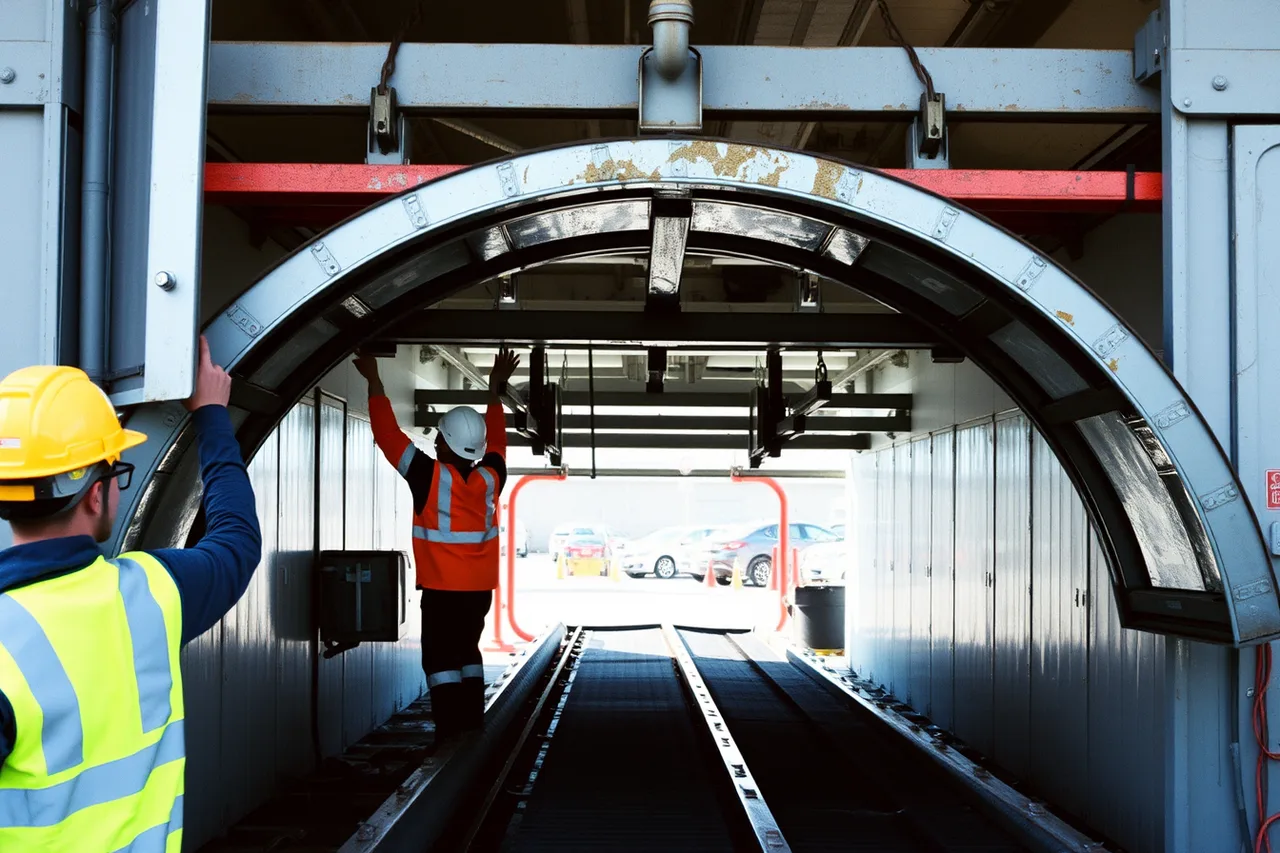
Example: after-tax cost of a tunnel versus a self-serve bay
Assume a single-member LLC taxed as a sole proprietor, a 37 percent federal marginal rate and no state income tax. All three assets are seven-year property placed in service in 2027.
After-tax cost example
Cost
- Tunnel equipment
- $300,000
- Self-serve bay
- $90,000
- Reclaim system
- $45,000
Section 179 elected
- Tunnel equipment
- $300,000
- Self-serve bay
- $90,000
- Reclaim system
- $45,000
Federal tax saved
- Tunnel equipment
- $111,000
- Self-serve bay
- $33,300
- Reclaim system
- $16,650
After-tax cost
- Tunnel equipment
- $189,000
- Self-serve bay
- $56,700
- Reclaim system
- $28,350
Figures are illustrative. With taxable income of only $150,000, just $150,000 is deductible now and the remainder carries forward. Year-one after-tax cost rises and the benefit arrives later.
Financing shifts timing, not the deduction size. SBA 7(a) loans fund equipment you own, so the placed-in-service rule still fixes the expensing year. The same holds for 504 loans.
Used equipment qualifies for bonus because it only has to be new to you. That narrows the after-tax gap between new and used pricing, and our guide to new vs used car wash equipment covers the inspection points before you commit capital.
Form 4562, part by part
- Part Ithe Section 179 election. List each asset, its cost and the amount elected, then total it.
- Part IIbonus depreciation and MACRS, using the basis left after Section 179.
- Part IIIproperty used 50 percent or less for business. Rare in a wash.
- Part IVamortization of intangibles, such as a noncompete or certain startup costs.
- Part Vcontaminated site cleanup costs.
- Part VIlisted property, with mileage substantiation rather than estimates.
Sole proprietors carry the totals to Schedule C. Partnerships and S corporations carry them to Form 1065 or 1120S, then to each owner's Schedule K-1. The schedule rolls forward and has to tie to the balance sheet.
The placed-in-service date and the business-use test on this form come from the IRS businesses portal. A vehicle claimed at full Section 179 while also used for personal driving is the most common error, and it invites recapture later.
When to delay a purchase into the next tax year
Four situations justify waiting.
When to delay a purchase
- Taxable income this year cannot absorb the deduction, so part of it becomes a carryforward that earns nothing.
- The install would slip past December 31 anyway, which puts the asset in the next year regardless.
- Total qualifying purchases would cross the $2,900,000 phase-out threshold.
- State rules change the answer. A California owner may prefer a year with federal income to offset.
Taxable income of $150,000 absorbs only half of a $300,000 election. The rest waits, with no time value attached.
Cash flow is the other half of the decision. Spending $300,000 in December to save $111,000 in April still needs the $300,000 upfront. Our breakdown of car wash profit margins and break even points shows the monthly cash a new bay has to produce to carry that.