Guides
Car wash business location strategy: traffic, stacking and site checks
A car wash location strategy covering traffic counts, queue stacking, water, sewer and stormwater permissions, and an occupancy cost model to screen a site.
What to take away
- Count traffic yourself, by hour and by turning movement, before you trust anyone's projection.
- A site that cannot hold a queue on a Saturday cannot hold a membership base.
- Water, sewer and stormwater capacity are permit questions, not construction questions.
- Model rent against realistic bay revenue, not against the best week you have ever seen.
- Leave a written walk-away number before you are emotionally invested.
This article covers general car-wash business operations. It is not environmental, wastewater, stormwater, or chemical advice. It is not equipment-safety, employment, lease, tax, or legal advice. Rules vary by jurisdiction, site, wash format, discharge path and equipment, so confirm current requirements with the responsible authorities and qualified advisers.
Location strategy is a bay throughput decision. The address, curb cut, queue depth and turning path set how many cars can reach the wash bay each hour. A strong traffic count does not matter if the site cannot feed vehicles into the bay at the rate your equipment can wash them.
Use this article to screen sites for that throughput. The checks below ask what a location can deliver to your bays, not just what it looks like on a map.
Count the cars before you count the money
A traffic count is the cheapest diligence you will do. Stand at the curb on a Tuesday, a Saturday and a rainy Monday. Tally vehicles by direction, hour and turning movement. Note signal timing, median restrictions and how far a driver must travel past your entrance to turn around.
A site with 30,000 daily passes and no safe left turn is worse than a site with 12,000 and a protected turn lane. The turn is what converts.
Stacking decides your peak, not your bay count
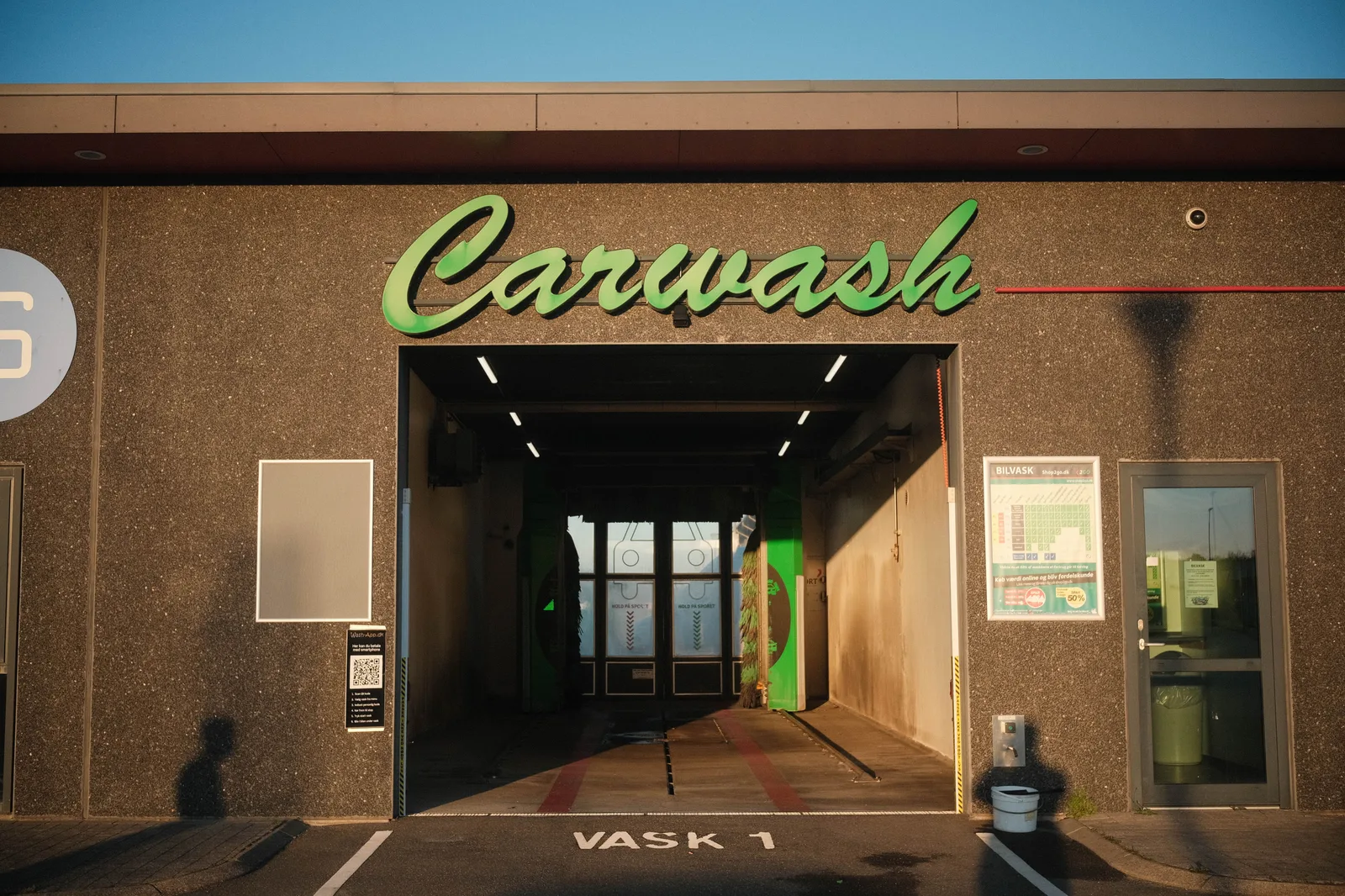
An in-bay automatic running a four-minute cycle serves roughly 15 cars an hour per bay. A tunnel moves more, but only if cars can reach it. Count the queue spaces between the street and the pay station. Then count them again on a Saturday.
If the queue spills into the road, the municipality will hear about it. Plan a bypass lane, a rejected-vehicle exit and a way to clear a stopped tunnel without shutting the street.
Water, sewer and stormwater are three separate permissions
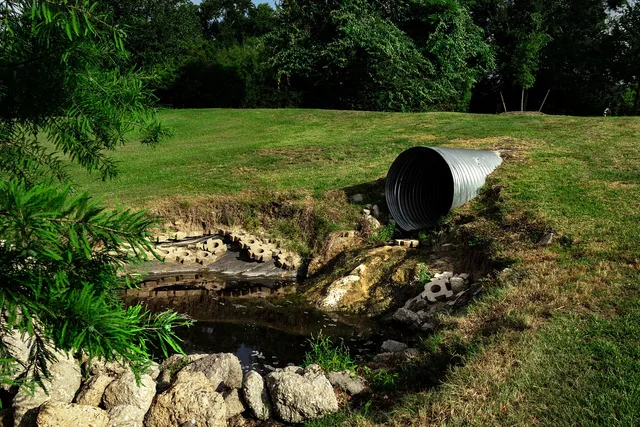
Confirm service size, pressure and meter capacity with the water utility. Confirm the sewer connection and any pretreatment obligation with the sewer authority. Confirm stormwater separation and discharge coverage with your state environmental agency.
The EPA's WaterSense at Work section on vehicle washes describes conveyor, in-bay and self-service systems and how reclamation is evaluated by wash stage. The EPA's pretreatment roles page notes that an industrial user can be as simple as a coin-operated automatic wash. The EPA's industrial stormwater page explains that most permits are administered by authorized states.
None of that tells you your local answer. Call the permit office and ask what they require for your discharge path.
Model occupancy cost against bays, not against hope
Write the annual occupancy cost as one number. Include these items:
Model occupancy cost
- rent or debt service
- common charges
- property tax
- insurance
- utilities
- water and sewer
- maintenance
- landscaping
- snow removal
- security and restoration duties
Then divide it by your realistic annual car count. If you do not have a car count, use this:
Annual occupancy cost / (cars per hour x operating hours x operating days x utilization)
Substitute your own figures. A site that needs 80% utilization to break even has no room for a bad winter.
The twelve checks
Run these in order. Stop when one fails badly enough that no price fixes it.
- Traffic count by hour, direction and turning movement, taken on three separate days.
- Safe ingress and egress, including a protected turn or a signal.
- Queue capacity that holds your Saturday peak without touching the street.
- Zoning and conditional-use approval for a car wash specifically, not for retail generally.
- Water service size, pressure and meter capacity confirmed in writing.
- Sewer connection, pretreatment obligation and discharge path confirmed with the authority.
- Stormwater separation and permit coverage confirmed with the state agency.
- Reclaim and equipment space that fits the chosen format, confirmed with the manufacturer.
- Full occupancy cost divided by realistic car count.
- Visibility and approach speed at the hours your customers actually drive.
- Neighbor exposurenoise, overspray, lighting and hours.
- A written walk-away number for approvals, water, sewer, civil cost and opening delay.
The first three checks kill most sites. If you are past them, the rest are negotiation.
Before finishing
Take the twelve checks to the site, not to the desk. Walk the turning path at 7am and again at 6pm. Photograph the queue on a Saturday. Ask the permit office what has stalled other washes in that municipality.
Then compare your numbers against what other operators in the market are doing with car wash site selection and location planning. A site that passes your checks and matches no operating model in the market is a site you have not finished checking.
Common questions
How many traffic count days are enough?
Three days minimum, spread across a weekday, a weekend day and a weather day. One count tells you what happened once. Three tell you the range you are underwriting.
What if the site fails the water or sewer check?
That is usually a walk-away, not a negotiation. Capacity upgrades are priced by the utility and the contractor, and the timeline is theirs, not yours. Get the number in writing before you extend any deadline.
Can a great location fix a bad wash format?
No. A tunnel needs stacking depth and a wide entry. An in-bay automatic needs turning room and a visible pay station. If the site cannot fit the format, the traffic count stops mattering.
Who confirms the stormwater and discharge rules?
Your state environmental agency or local sewer authority, not a general guide. The EPA pages above explain the framework; the permit office tells you what applies to your address.